
Published September 8, 2026
Buying a Home Outside City Limits: What’s Different?

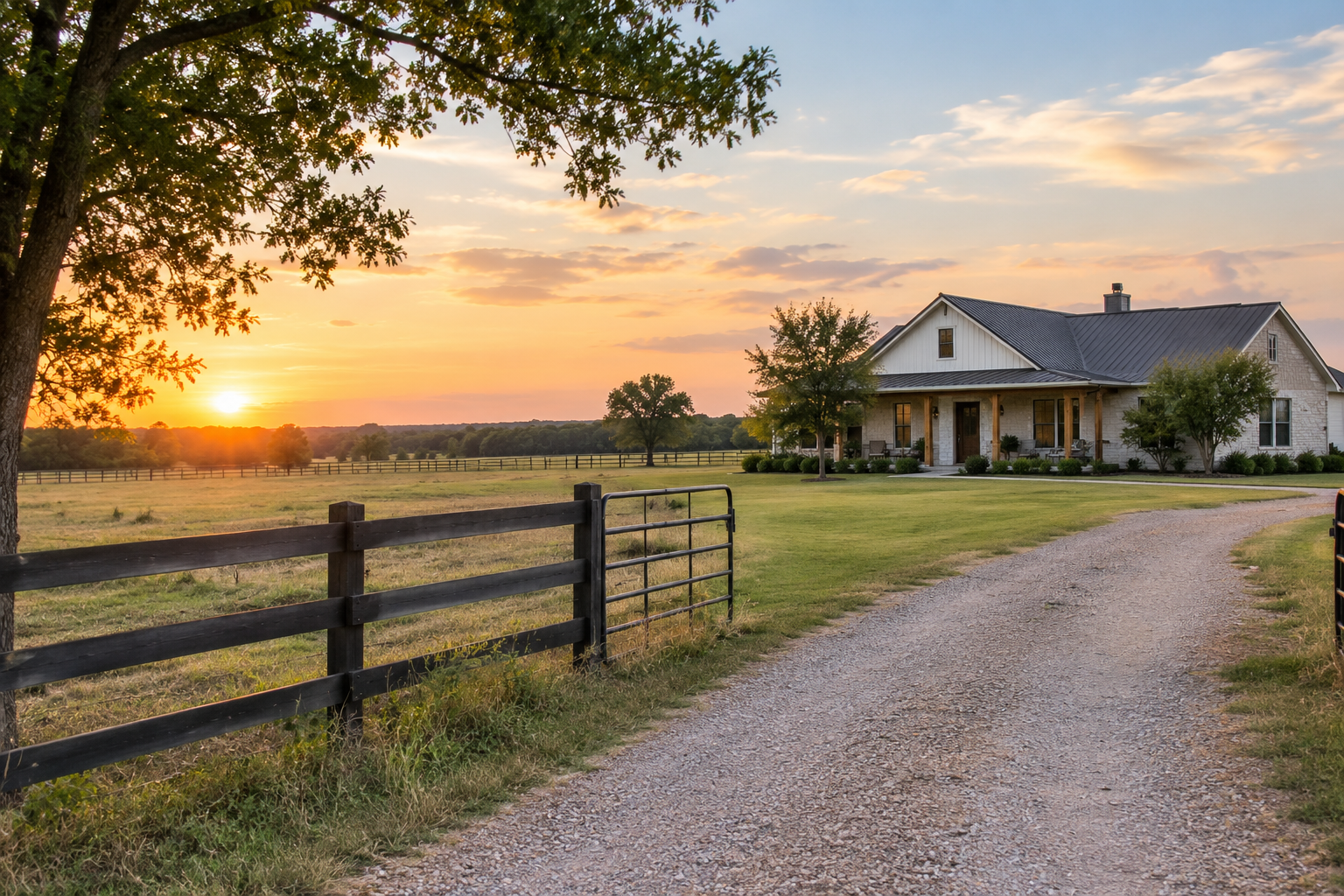
If you’ve been searching for a home with more space, privacy, and room to spread out, you may find yourself looking at properties outside city limits. Rural homes and acreage can offer a lot of advantages—but buying outside city limits can also come with a few differences that buyers should understand before making an offer.
At the Laura Smith Real Estate Team, we help buyers throughout Corsicana, Navarro County, and surrounding communities navigate the process of purchasing homes, land, and rural properties. Here are some important things to consider when buying a home outside city limits.
1. Utilities May Be Different
One of the biggest differences between living in town and living in a rural area is how your utilities are provided.
Instead of municipal water and sewer, a property may have:
- A private water well
- Rural water service
- A septic system
- Propane instead of natural gas
- A private wastewater system
Before purchasing, it's important to verify exactly which utilities serve the property and whether they are currently functioning properly.
If you're buying land with plans to build, you'll also want to determine whether water and wastewater options are available before moving forward.
2. Septic Systems Are Common
Many homes outside city limits rely on septic systems instead of municipal sewer.
A septic system treats and disposes of household wastewater on the property. Because the system is privately maintained, buyers should understand its age, condition, location, and maintenance history.
If you're purchasing an existing home, a septic inspection can be an important part of your due diligence.
If you're buying vacant land, you'll want to determine whether the property is suitable for a septic system before assuming you can build.
3. Water May Come From a Well or Rural Water System
Not every rural property has access to city water.
Some properties have private wells, while others receive water through a rural water supply corporation. The differences can affect installation costs, maintenance responsibilities, and what you'll need to do if you're building a home.
For a property with a water well, buyers should consider having the well inspected and the water tested as part of their due diligence.
4. City Services May Not Be Available
Living outside city limits often means fewer municipal services.
Depending on the location, you may not have:
- City trash service
- City sewer
- City water
- Nearby fire or emergency services
- Street maintenance provided by the city
It's important to find out who maintains the road and what services are available before purchasing.
5. Property Taxes Can Be Different
One potential advantage of living outside city limits is that you may not have municipal property taxes.
However, this does not mean you won't pay property taxes. You may still have county, school district, and other applicable taxing entities.
Your Realtor and local appraisal district can help you understand the property's current tax structure and exemptions.
6. Deed Restrictions Still Matter
Being outside city limits doesn't necessarily mean you can do anything you want with your property.
Some rural properties have deed restrictions, subdivision restrictions, HOA rules, or other limitations that may affect what you can build or how you can use the property.
Before purchasing, check for restrictions involving things such as:
- Manufactured or mobile homes
- Barndominiums
- Livestock
- Outbuildings
- Fences
- Minimum home sizes
- Commercial activity
- Short-term rentals
Always review the restrictions before assuming a property can be used for your plans.
7. There May Be More Freedom—and More Responsibility
One of the biggest appeals of buying outside city limits is having more space and privacy.
You may have room for a workshop, garden, animals, additional structures, or simply more room to enjoy the outdoors.
But with that freedom comes additional responsibility. Rural homeowners may be responsible for maintaining wells, septic systems, private roads, fences, gates, driveways, and other features that would typically be handled differently in a city.
8. Internet and Cell Service Should Be Checked
Don't assume that high-speed internet and strong cell service are available just because a property is relatively close to town.
If you work from home, stream entertainment, homeschool, or rely heavily on internet access, verify service availability at the specific property.
This is especially important when looking at larger acreage properties.
9. Insurance May Be Different
Rural properties can have unique insurance considerations depending on the home's location and features.
For example, acreage, detached structures, private roads, pools, livestock, wells, septic systems, or other property characteristics may affect coverage or premiums.
It's a good idea to speak with your insurance provider early in the buying process so you know what to expect.
10. Rural Property Requires a Little More Due Diligence
Buying outside city limits isn't necessarily more difficult—it simply means there may be more questions to answer.
Before purchasing, consider verifying:
- Water source
- Septic system
- Electricity
- Natural gas or propane
- Internet availability
- Road maintenance
- Property restrictions
- Floodplain status
- Survey and property boundaries
- Easements
- Mineral rights
- Agricultural or wildlife exemptions, if applicable
- Property taxes
The more you know before closing, the fewer surprises you'll have after moving in.
Is Buying Outside City Limits Right for You?
For many buyers, the benefits are worth it. More land, greater privacy, fewer neighbors, and the opportunity to create your own space can make rural living incredibly appealing.
Whether you're looking for a few acres to build your dream home, a property with room for a workshop, or a peaceful place to enjoy country living, there are plenty of opportunities throughout Navarro County and the surrounding area.
The key is understanding what comes with the property and doing your due diligence before you buy.
Looking for a Home or Land in Navarro County?
The Laura Smith Real Estate Team is here to help you navigate the process from the initial search to closing. Whether you're looking in Corsicana, Mildred, Kerens, Blooming Grove, Frost, Wortham, or surrounding communities, we're happy to help you find a property that fits your goals.
Ready to start your search? Contact the Laura Smith Real Estate Team today and let us help you find your next piece of Texas.